
Infrared Saunas: A Consumer Guide to the Category, Technology, and Home Installation
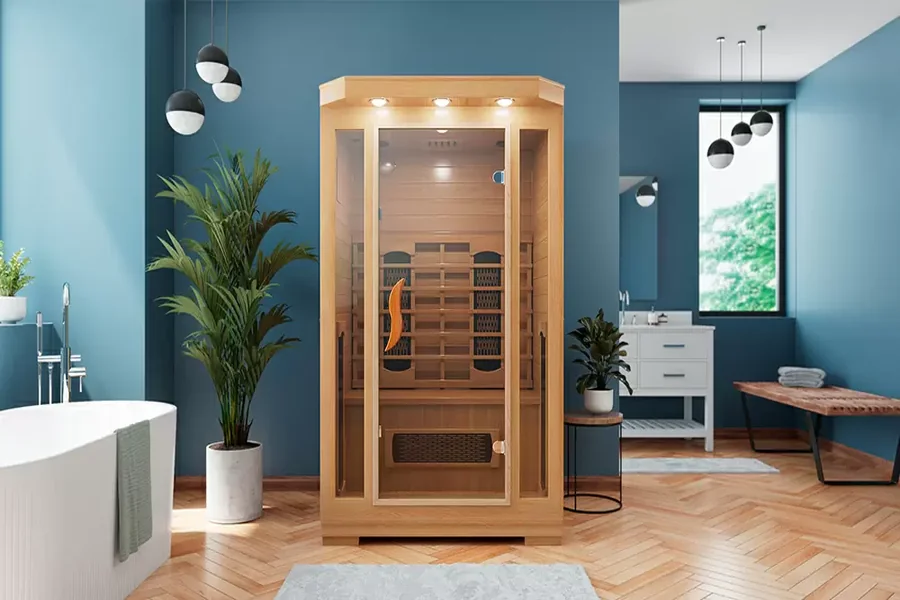
Infrared saunas have moved from a niche wellness category into a mainstream home installation across the UK, Ireland, North America, and parts of central Europe. The category sits alongside traditional Finnish saunas as a home wellness option, but the technology, experience, and installation considerations are substantially different. For consumers approaching the category for the first time, the useful grounding is how infrared saunas differ from traditional steam or hot-rock saunas, what the main technology variants actually involve, and what home installation practically requires.
How Infrared Saunas Differ from Traditional Saunas
A traditional Finnish sauna heats the air to 70 to 100 degrees Celsius, which warms the body indirectly through contact with hot air and radiant heat from hot surfaces. An infrared sauna uses infrared emitters that heat the body directly while the ambient air temperature stays significantly lower, typically 40 to 60 degrees Celsius. The practical consequences are that infrared saunas feel less intense to sit in, do not require the cabin to be pre-heated for long periods, and do not involve water on heated rocks to create steam. Users who find traditional sauna temperatures uncomfortable often tolerate infrared sessions at longer durations.
The Main Infrared Technologies
The category splits into several recognisable technology variants:
- Far infrared (FIR). The most common home category, using carbon fibre or ceramic emitters operating in the long-wavelength infrared band.
- Near infrared (NIR). Shorter wavelength emitters, typically from LED panels or incandescent bulbs.
- Full spectrum. Cabins offering near, mid, and far infrared together, typically at a premium price point.
- Infrared and red light combined. Cabins integrating photobiomodulation LED panels alongside infrared emitters.
Far infrared dominates the mainstream home market because the technology has matured, the operating costs are moderate, and the user experience is pleasant across extended sessions.
What the Research Does and Does Not Support
The infrared sauna category carries a mix of established and emerging evidence:
- Established. Regular use produces cardiovascular responses similar to moderate exercise, including heart rate elevation, vasodilation, and reduced resting blood pressure in some population groups.
- Supported with moderate evidence. Improved sleep quality, reduced muscle soreness after exercise, and subjective improvements in recovery.
- Emerging or debated. Claims around detoxification, weight loss, and specific disease outcomes, where marketing has often outpaced the research base.
Consumers evaluating the category benefit from distinguishing the well-supported benefits from the more speculative claims.
What a Home Infrared Sauna Actually Requires
Home installation is generally simpler than for a traditional sauna. The requirements typically include:
- Floor space. A one-person cabin needs around 1 square metre; a two-person cabin 1.5 to 2 square metres.
- Ceiling height. Around 2 metres is standard for a standing cabin.
- Electrical supply. Most home cabins run on a standard 13 amp domestic outlet in the UK, though larger cabins may require dedicated circuits.
- Flooring. A flat, dry surface. Dedicated tray flooring is generally not required.
- Ventilation. Standard room ventilation is adequate; no chimney or flue is required.
The absence of water and combustion simplifies installation substantially compared with traditional Finnish saunas, which is part of why infrared cabins have become a realistic indoor home wellness category rather than a garden installation.
How to Evaluate an Infrared Sauna
A practical consumer checklist covers:
- Emitter type and placement. Low-EMF carbon heaters distributed for even body coverage, not concentrated only at the back.
- Wood type and construction. Western red cedar, basswood, or hemlock are the typical options. Certified sustainable sourcing matters for premium products.
- Control interface. Temperature, timer, and programme control accessible from inside the cabin.
- Glass specification. Tempered glass doors and panels; avoid cabins with thin untempered glass.
- Warranty. A meaningful warranty on emitters and construction, typically 3 to 10 years.
- Assembly. Whether the cabin arrives as a kit for self-assembly or is installed professionally.
For consumers evaluating home cabins, specialist home wellness retailers that carry dedicated Infrared Saunas ranges typically hold stronger product knowledge than general home retailers offering wellness products as a secondary line.
Typical Session Protocols
A standard infrared session looks like:
- Pre-session hydration with water.
- Cabin pre-heated for 15 to 20 minutes to reach operating temperature.
- Session duration of 20 to 40 minutes depending on user tolerance and experience.
- Cool-down phase, often with a cool shower or gradual return to ambient temperature.
- Post-session hydration.
Frequency varies widely, from two to three sessions per week for general wellness use to daily sessions for dedicated recovery applications.
Frequently Asked Questions
How much does a home infrared sauna cost to run?
A typical one to two person cabin draws 1.5 to 2.5 kilowatts. A 30 minute session at UK electricity prices typically costs under 50 pence.
Is infrared sauna use safe for people with medical conditions?
Clinical advice applies for people with cardiovascular conditions, pregnancy, or specific medication regimens. A general practitioner consultation is sensible before starting regular use in those contexts.
How long does a home infrared cabin last?
Quality cabins with low-EMF carbon emitters typically last 10 to 15 years with normal home use. Emitter replacement is possible on most models after that.
Can infrared saunas be installed in bathrooms or outbuildings?
Yes, subject to standard electrical safety considerations. Bathrooms require appropriate electrical zoning; outbuildings should be insulated and dry.
Conclusion
Infrared saunas have matured into a practical home wellness category with established benefits, moderate installation requirements, and a well-developed retail supply chain. The useful approach for consumers is to match the cabin specification to realistic use patterns, choose a retailer with genuine category depth, and treat the well-supported benefits as the core value rather than the more speculative marketing claims.