
What Makes Power Strip Safe And Efficient?
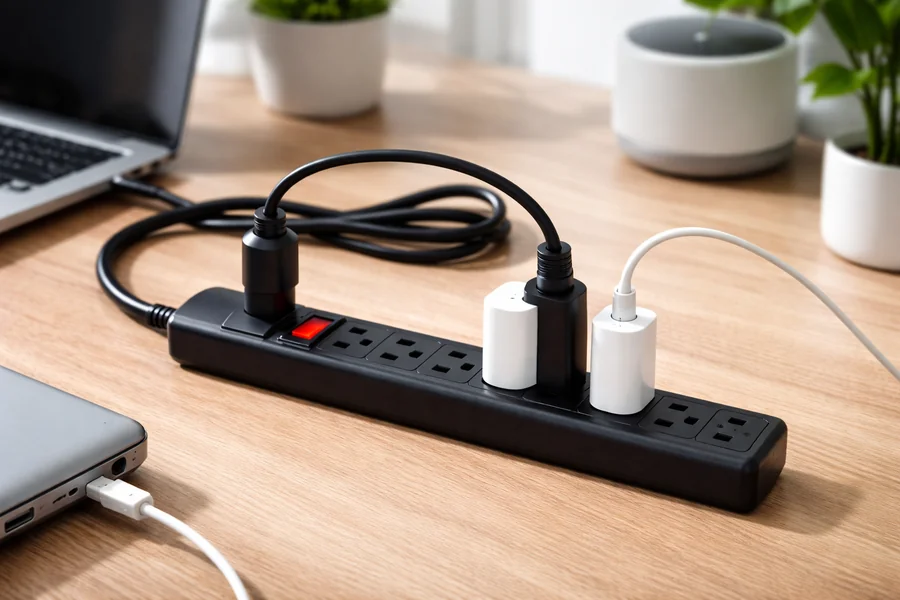
In today’s world, plugging in gadgets has become such a routine habit that most people rarely stop to think about safety. In most cases, wires become knotted, sockets loosen, and devices take longer than anticipated to charge.
These minor marks usually indicate underlying problems such as ineffective load management, faulty internal components, or insufficient safety provisions. Furthermore, with modern installations featuring multiple electronic devices operating simultaneously, the strain on your electrical distribution system has increased.
Thus, the selection of the appropriate Power Strip is no longer a matter of choice; it directly influences the safety, performance, and long-term reliability.
This article helps you to understand what makes a power strip really safe and efficient, so you can make informed and practical choices.
1. Build Quality and Internal Engineering
One of the first things to consider when choosing a power strip is the quality of its construction. Most units might appear to be similar on the face of it, but internal engineering can differ dramatically.
First of all, a good construction guarantees that the unit can withstand constant electrical load without deterioration. Sturdy outer casings are usually composed of heat-resistant materials to prevent melting or deformation in long-term applications. Simultaneously, internal wiring should be strong enough to carry current effectively.
Also, high-conductivity materials like copper are commonly used for internal connections in premium units. This enhances electricity conduction and decreases resistance. Subsequently, there is reduced loss of energy in the form of heat, and this improves safety and efficiency.
In addition, good internal pivots and secure soldering ensure loose connections. The loose connections can cause sparking or an intermittent power supply, which are safety concerns.
Thermal management is another important factor. Properly designed units spread heat evenly, avoiding hotspots. This not only enhances performance but also lengthens the life of the unit.
Thus, by paying attention to the quality of your construction, you can make sure that your setup will be stable, efficient, and secure in different conditions.
2. Surge Protection and Voltage Stability
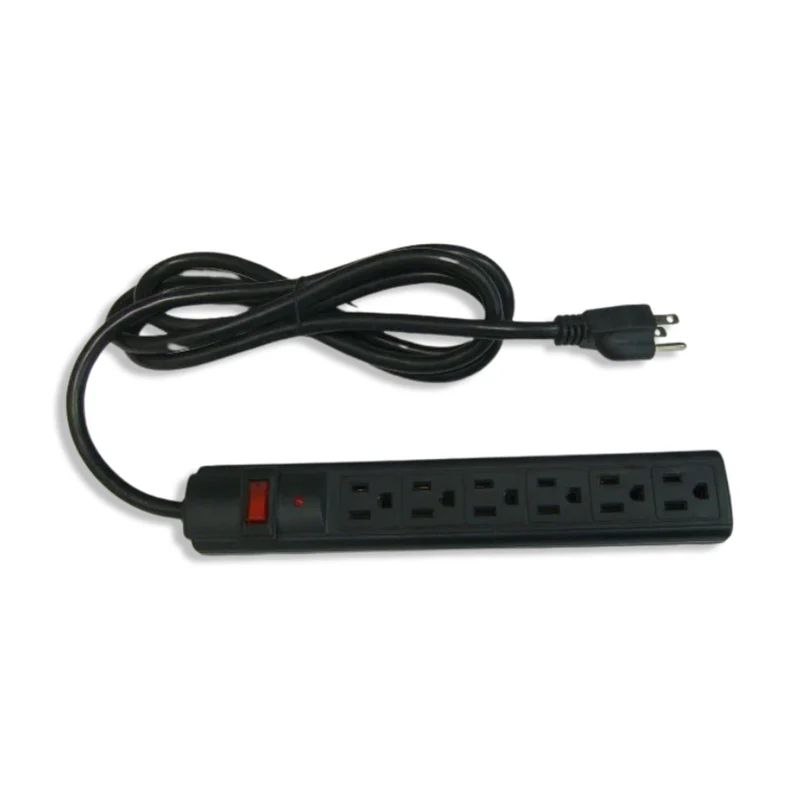
Electrical surges are not always predictable, but they can also be irreversible and instantaneous. Surge protection, therefore, is a critical element of a trustworthy unit.
Surge protection is achieved by diverting excessive voltage from connected equipment. As an example, in case of a sudden power change or lightning strike, the system takes in the spike rather than relaying it. This safeguards delicate electronics like computers, televisions, and networking devices.
Moreover, the effectiveness of surge protection is based on its capacity, which is normally measured in joules. The higher the rating, the better the capacity to withstand recurrent surges with time. Thus, it is important to select a unit with sufficient surge capacity to ensure long-term stability.
Moreover, the stability of voltages is important for efficiency. Stable voltage is a measure that ensures that the devices are working as intended without excessive power consumption. Conversely, fluctuating voltage may result in ineffective operation and wear and tear of parts.
3. Load Capacity and Intelligent Power Distribution
The other critical consideration is the ability of the unit to manage electrical load. One of the most frequent sources of electrical hazards is overloading, but it is commonly ignored.
Units have a specified maximum load, which is determined by voltage and current limits. Hence, overloading this capacity may lead to overheating, circuit breakage, or even fire hazards. To avoid this, you must always add the total wattage of the connected devices.
Meanwhile, effective power distribution would guarantee an equal distribution of energy to all outlets. This is especially crucial in configurations where several devices are used at the same time.
Furthermore, advanced designs are developed to distribute the load around circuits. This eliminates stress on individual components and improves durability. As a result, the system performs more reliably over time.
Moreover, correct load management reduces power consumption. In the event of efficient distribution of power, the devices only consume what they require, which enhances the total energy use.
Thus, to ensure safety and efficiency, it is important to comprehend and respect load capacity.
4. Safety Certifications and Built-In Protection Mechanisms
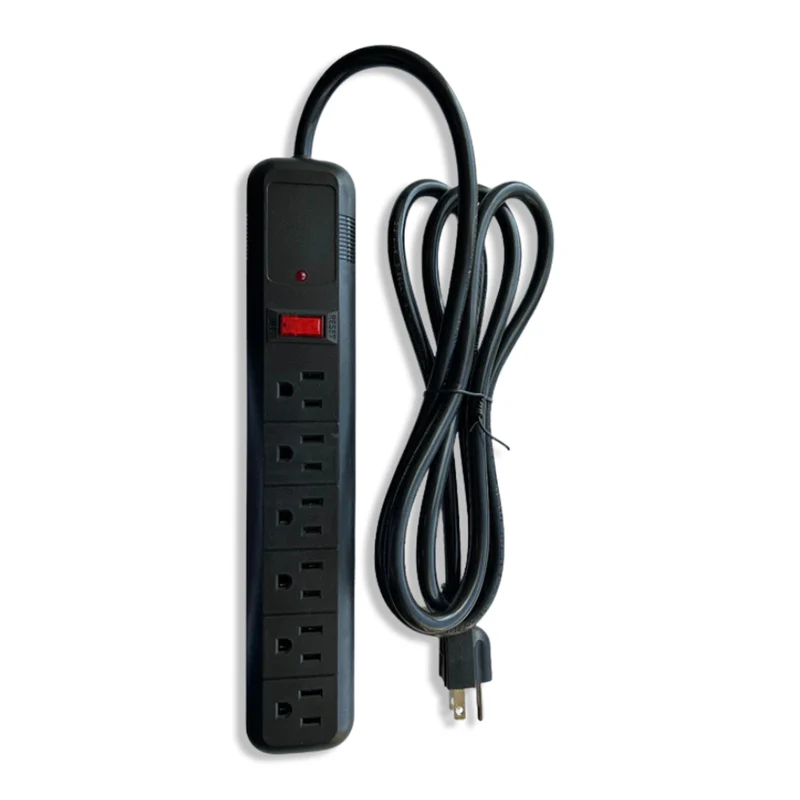
Safety is not only about features, but it is also about the adherence to the set standards. Certified units are highly tested to ensure strong performance in varying conditions.
For example, safety certifications denote that the unit has been tested in terms of electrical integrity, heat resistance, and durability. This provides assurance that it meets industry benchmarks for safe operation.
Moreover, safety is further improved by inbuilt protection mechanisms. The overload protection automatically shuts down the power supply when the system notices the overcurrent. This eliminates excessive heat and possible destruction.
Similarly, short-circuit protection ensures that faults are contained quickly. The system stops the flow as soon as an electrical fault occurs instead of letting it build up.
Another important feature is grounding. Grounding minimizes the potential electrical shock and balances the voltage levels. This is especially crucial in places where sensitive equipment is involved.
Moreover, there are child safety shutters in some units that block unused outlets. This provides an additional level of security in residential or shared areas.
Therefore, choosing a unit with proper certifications and integrated safety mechanisms ensures dependable and secure operation.
Final Thoughts
A safe and efficient setup requires careful consideration of multiple factors. From build quality and surge protection to load management and advanced features, each element contributes to overall performance.
When these components work together, they create a reliable system that not only powers your devices but also protects them. Moreover, efficient power distribution reduces energy waste and enhances long-term usability.
Therefore, instead of focusing solely on price or appearance, you should evaluate the technical aspects that truly matter. A well-informed choice ensures consistent performance, minimizes risks, and supports a safer electrical environment.